

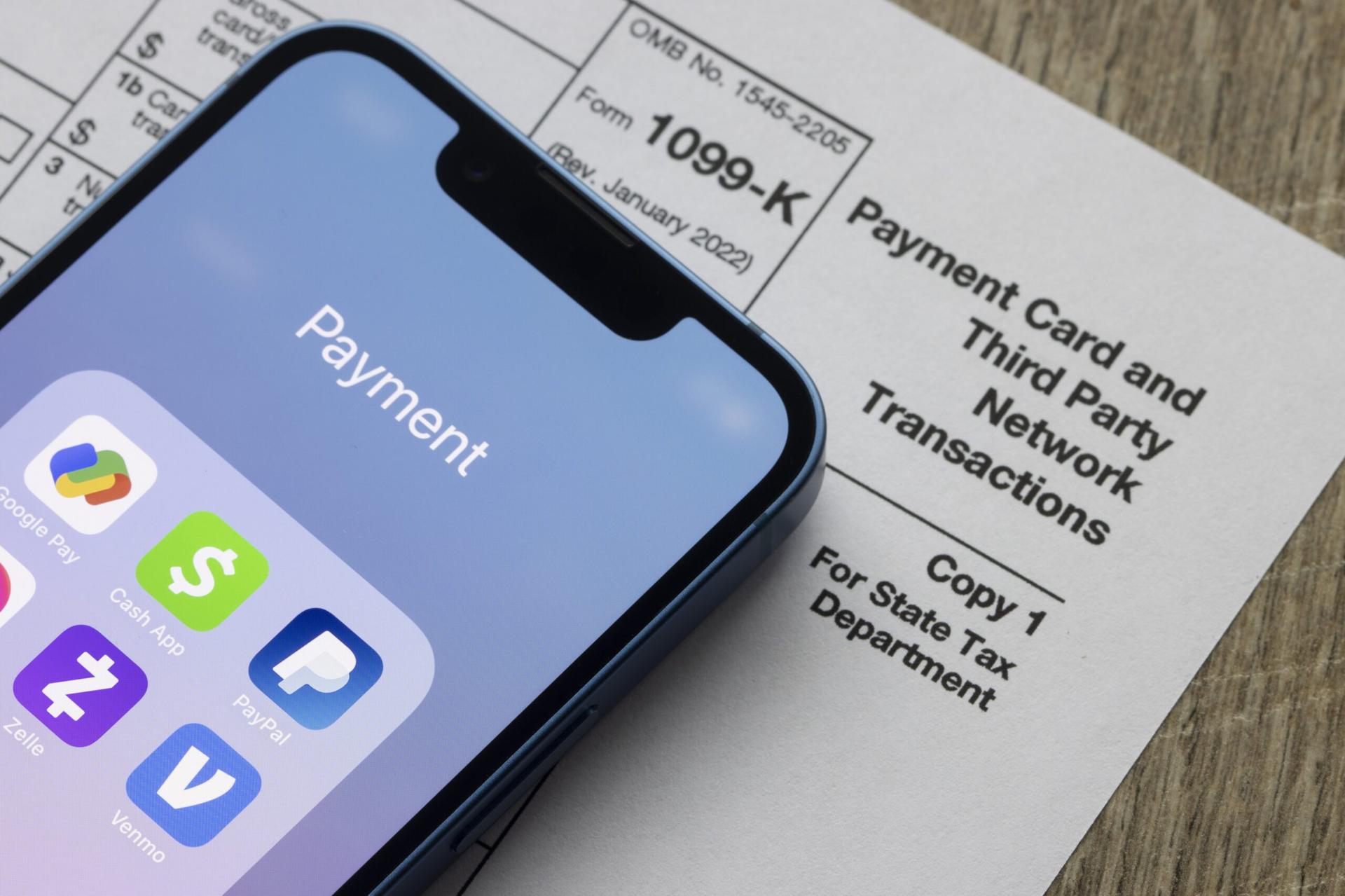
IRS Rolls Back Digital Payment Reporting Rules for 2025
After years of confusion over IRS digital payment reporting changes, taxpayers finally have clarity. On July 4, 2025, Congress passed the One Big Beautiful Bill Act, a sweeping tax and spending measure that dramatically alters how the IRS handles Form 1099-K reporting.
The new law repeals the previously planned $600 reporting rule and restores the familiar “20,000/200” threshold — meaning you’ll only receive a 1099-K if you earn more than $20,000 and complete over 200 transactions on a single payment platform like PayPal, Venmo, eBay, or Cash App.
For millions of small sellers, freelancers, and gig workers, this shift eases the paperwork burden that many feared under the lower threshold. But the change doesn’t eliminate tax responsibilities — all income from goods or services remains taxable, even if no form arrives.
In this article, we’ll break down what the 1099-K threshold increase means for you, how it fits into broader tax law changes for 2025, and what to expect when you file your next return.
What is IRS Form 1099-K?
Form 1099-K is the official IRS form for reporting nonemployee compensation received for goods or services sold by independent contractors, freelancers, gig workers, and merchants—anyone not on a company's official payroll. If you earn income and don't receive a W-2, the IRS will typically categorize you as a 1099 contractor.
Whether you were paid by a company, your own customers, or an online sales platform like PayPal, Venmo, or eBay, you must report the income to the IRS using Form 1099. If you were paid by a business or sales platform, that organization is required to send you a copy of the 1099 form by January 31st of the following year. You can use it alongside your own bookkeeping records to figure out your taxable profit, and submit it to the IRS with your income tax return. It won’t subtract fees, refunds, or chargebacks, so your bookkeeping matters.
2025 Brings a 1099-K Issuance Threshold Increase
Beginning with 2025 transactions (forms to be issued in early 2026), platforms will generally issue a 1099-K only if both are true on a single platform in the year:
- Gross payments exceed $20,000, and
- Total transactions exceed 200.
This “20000/200” standard reduces surprise forms for low-volume sellers while keeping visibility on higher-volume activity. It also calms the confusion from past attempts to drop the threshold to $600. However, a higher issuance threshold doesn’t change what is taxable. If it’s income, it belongs on your return—even if no form arrives.
Who Should Expect a 1099-K in 2025?
You’re more likely to receive a 1099-K if you:
- Run a side hustle or small business on eBay, Etsy, Airbnb, StubHub, or similar.
- Accept goods/services payments via PayPal, Venmo, or Cash App that clear the 20,000/200 threshold.
- Process credit/debit card sales through a merchant processor.
You’re unlikely to receive a 1099-K if you only send or receive personal transfers (e.g., splitting dinner, gifts). Mark those as personal in your app to avoid confusion. Platforms can choose to issue a 1099-K below the threshold. Your responsibility to report income never depends on receiving a form.
| Tax Year | Typical 1099-K Trigger (TPSOs) | What to Expect |
|---|---|---|
| 2024 | Higher interim threshold (platforms widely used $5,000) | Transitional guidance led to fewer forms for small sellers. |
| 2025 | “20,000/200” on a single platform | 1099-K issuance threshold increase reduces unexpected forms. |
| Always | All taxable income must be reported | Even without a form, income from sales/services is taxable. |
Do I still need to enter earned income if I received (or didn’t receive) a 1099-K?
If you earn income—whether or not you receive a Form 1099-K—you’re still required to report it on your tax return. The form itself simply provides information to help you match what the IRS receives with what you report. If you receive a 1099-K, include the income it lists, but remember that the form usually shows your total gross payments before subtracting platform fees, refunds, or chargebacks. To avoid overpaying your taxes, you'll need to adjust these figures in your records to determine your actual profit.
If you don’t receive a 1099-K, the responsibility doesn’t disappear. You must still report all your earnings from business, freelance, or gig work because the 1099 minimum amount or limit affects who receives a form—not what counts as taxable income. Maintaining organized, accurate records helps ensure you don’t double-count income, such as when the same payment appears in both your payment app and your bank account. Clear, consistent bookkeeping is your best protection against tax problems like reporting errors and IRS confusion.
When are the due dates for 1099 forms?
For the 2025 tax year, recipient copies of 1099 forms—including the 1099-K, 1099-NEC, and 1099-MISC—are generally due by January 31, 2026. This means businesses, payment apps, and other payors must send these forms to individuals or contractors by the end of January to help them prepare their tax returns on time.
When it comes to filing with the IRS, deadlines can vary depending on the type of form and how it’s submitted. The 1099-NEC, which reports nonemployee compensation, is typically due to the IRS by January 31, whether filed on paper or electronically. Other types of 1099 forms, such as the 1099-MISC, may have different due dates depending on whether you file electronically or by mail.
Because deadlines and requirements can change, it’s always best to confirm the current year’s instructions for Form 1099 on IRS.gov before filing. Staying on top of these dates helps avoid penalties and ensures your records are complete and accurate.
1099-NEC & 1099-MISC: What about their thresholds?
The conversation isn’t just about 1099-K. Looking ahead, widely discussed changes raise nonemployee compensation and certain miscellaneous reporting thresholds in future years, easing paperwork for small payors. Regardless of thresholds, payments are still taxable to the recipient; the form is an information-reporting tool.
Marketplace Sellers and Payment Apps: What You Need to Know
If you sell through eBay, Etsy, or other online marketplaces, it’s essential to treat your sales like a small business—even if they’re just a side hustle. Keep careful track of your gross sales, fees, refunds, shipping costs, and inventory purchases throughout the year. Accurate records make it easier to calculate your taxable profit, verify your Form 1099-K, and avoid surprises when you file.
Many sellers misunderstand what “tax exempt” means on platforms like Etsy. In most cases, this label refers to sales tax exemptions or resale certificates, not income tax. Regardless of how a marketplace labels your transactions, the IRS still requires you to report income earned from selling goods or providing services.
It’s also wise to watch where you stand in relation to the “20,000/200” threshold. If your total payments or number of transactions on a single platform exceed that mark, you can expect to receive a Form 1099-K. Even if you don’t receive a form, your income is still taxable and must be reported on your return.
Understanding the difference between personal and business payments can help you avoid unnecessary confusion. Personal transfers—such as gifts, reimbursements, or shared expenses—aren’t taxable and shouldn’t appear on a 1099-K. In contrast, payments for products, services, or freelance work count as income, no matter which platform processes them. Since banks, apps, and marketplaces all have slightly different reporting practices, your own ledger remains the most reliable record. Keeping detailed, organized documentation ensures you report income accurately and stay compliant with IRS requirements.
Platform-Specific Notes
- PayPal & Venmo: Business-tagged payments count toward the threshold. Use “friends/family” only for true personal transfers.
- Cash App: Business profiles and sales count; personal transfers don’t. If you “cashapp file taxes,” rely on your own ledger to calculate profit after fees.
- eBay & Etsy: Marketplace payouts for goods/services are part of 1099-K totals. Watch your eBay 1099k or Etsy year-end statements.
- Zelle: Some banks treat Zelle as direct bank transfers; reporting practices can differ. Income is still income—keep records regardless of whether a form shows up.
Before You File: A Simple Year-End Checklist
- Reconcile gross app payouts to your bank deposits (watch for timing differences).
- Record platform fees, refunds, and chargebacks.
- Save receipts, mileage logs, and inventory costs.
- If you sell personal items, note original cost vs. sale price—gains may be taxable; losses on personal-use property typically aren’t deductible.
- If you’re unsure, consult a tax professional.
Get Help With 1099-K Income Tax Problems
The latest 1099-K threshold changes under the One Big Beautiful Bill Act may simplify reporting for millions of taxpayers, but they don’t erase the challenges of self-employment, side hustles, or digital income. Whether you sell on eBay, freelance through PayPal, or run a small online business, keeping up with changing IRS rules can feel overwhelming. Even honest mistakes—like forgetting to report income, misunderstanding deductions, or mixing personal and business transactions—can lead to tax debt that snowballs quickly.
At TaxRise, we understand how easy it is to fall behind when the tax code keeps shifting. Our mission is to make the process simple, transparent, and human. We help 1099 filers, gig workers, and small business owners understand their obligations, correct past filing errors, and work directly with the IRS to reduce or resolve what they owe through tax relief programs.
We believe you’re more than a number or a balance due—you’re someone working toward financial stability and peace of mind. With clear rules, clean records, and the right team by your side, tax season doesn’t have to feel like a battle. If tax debt or unfiled returns are holding you back, TaxRise can help you create a plan that puts you back in control—and back on the path to financial freedom. Complete our quick survey and receive a free tax consultation today.