
Already on an IRS Installment Agreement but finding it hard to keep up with your monthly payments—or dealing with a sudden change in your finances? You’re not stuck. The IRS allows you to change your IRS payment plan when life shifts, giving you room to breathe and stay in compliance.
In this guide, we’ll show you how to revise, lower, or cancel your IRS payment plan, including how to change your payment plan date to better fit your budget. At TaxRise, we help taxpayers adjust their plans, reduce their payments, and stay protected from IRS enforcement—so you can focus on rebuilding financial stability with confidence.
Can I Change My IRS Payment Plan?
Yes, you can change your existing IRS payment plan by requesting a modification, applying for a different type of Installment Agreement, or adjusting the monthly payment amount to reflect your current financial situation. You may need to submit documentation that shows your financial situation has changed, but you can typically start the process by contacting the IRS.
What This Means
If your financial situation has changed—for better or worse—the IRS allows you to request a payment plan modification. This could mean lowering your monthly payment, switching to automatic withdrawals, or extending the time to pay. You must remain compliant with all IRS filing requirements to be eligible for a change.
Why It Happens
The IRS knows financial circumstances aren’t static. Job loss, inflation, medical bills, or other hardships can make it difficult to keep up. Rather than default, the IRS gives taxpayers a chance to revise their payment plan to avoid falling behind and maintain good standing.
Who Qualifies to Change Their Existing Tax Relief Plan?
You may qualify if you:
- Have an existing IRS Installment Agreement
- Experienced income loss or increased expenses
- Want to consolidate multiple tax years into one plan
- Need a lower monthly payment due to financial hardship
If you’ve missed or expect to miss a payment, request a modification immediately—before the IRS places your account in default. If you've already missed a payment, read our guide on What to Do if You Missed an IRS Installment Agreement Payment.
How to Revise or Change Your IRS Payment Plan
There are several ways to change your IRS payment plan:
- Modify Online: If you owe less than $50,000, log in to the IRS Online Payment Agreement Tool and submit a request.
- Call the IRS: Contact the IRS at 1-800-829-1040 to request a change by phone. Have recent financial documents ready if your new plan is income-based.
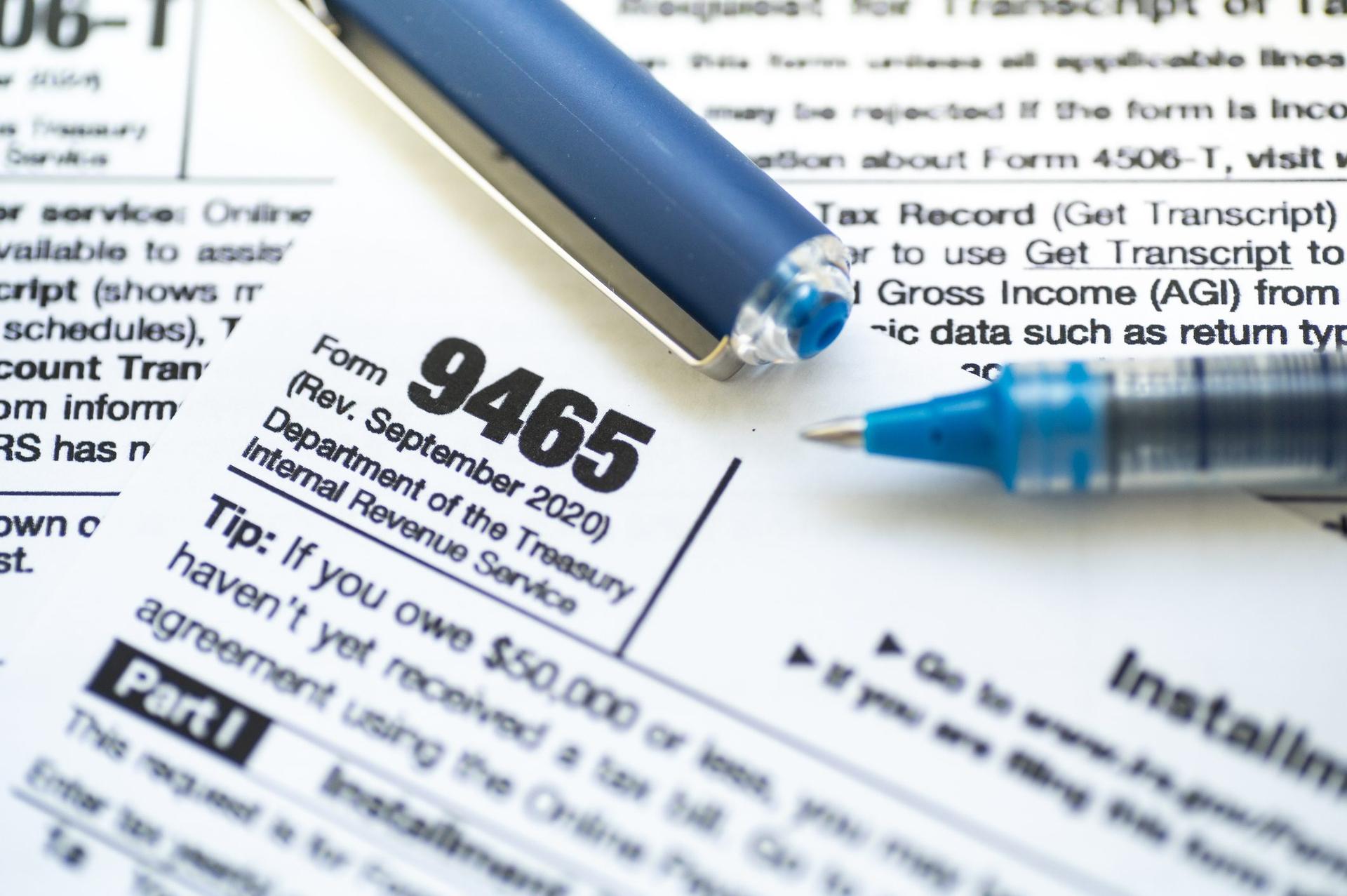
- Submit IRS Form 9465: This form lets you set up or revise an existing plan. Mail it with your updated details if you can’t apply online.
- Switch to Direct Debit: If you currently mail or manually pay, converting to auto-withdrawal can increase your approval odds and prevent missed payments.
Pro Tip: You must be current on all filings before a change is accepted. If you’ve added a new tax year or balance, include it in your updated plan. If you are considering switching to a different type of Installment Agreement, read our guide on How to Choose the Best Type of IRS Installment Agreement for You.
Can I lower my IRS payment plan?
Yes, most taxpayers with IRS payment plans may be eligible to make lower payments. The IRS allows you to request a reduced monthly payment if your financial circumstances change. Whether you’ve lost income, faced unexpected expenses, or simply can’t keep up with your current plan, you have options to make your payment more manageable.
How to Lower Your Monthly IRS Payment
To lower your monthly IRS payment, you’ll need to request a modification of your existing Installment Agreement. The simplest way to do this is through the IRS Online Payment Agreement tool if you owe $50,000 or less. Once logged in, you can adjust your monthly payment amount or change your due date to better fit your budget. If you owe more than $50,000 or require a significant reduction, you’ll need to submit updated financial information using Form 433-A (Collection Information Statement) along with Form 9465 (Installment Agreement Request).
The IRS bases your new monthly amount on your ability to pay — not on the total balance alone. This means your income, necessary living expenses, and assets all factor into their decision. The more accurately your financial situation is documented, the more likely the IRS will approve a lower payment.
If the IRS determines that even reduced payments would cause hardship, you might qualify for a Partial Payment Installment Agreement, where you pay only what you can afford each month until the collection period expires, or Currently Not Collectible status (CNC), which temporarily pauses payments altogether.

How to Cancel an IRS Payment Plan
If you decide your current payment plan no longer fits your financial reality, you can cancel your IRS payment plan—but proceed carefully. When you cancel, the entire unpaid balance becomes due immediately, and the IRS may resume collection actions such as wage garnishments or bank levies.
To cancel, contact the IRS at 1-800-829-1040 or send a written request referencing your Installment Agreement. It’s best to consult a tax professional before canceling; in many cases, TaxRise can help you revise or lower your payment instead of canceling outright. Adjusting the terms keeps you protected from collections while giving you financial breathing room.
If cancellation is unavoidable—such as when switching to an Offer in Compromise or Currently Not Collectible status—our team can manage that transition to ensure you remain compliant and avoid unnecessary penalties.
If You Can No Longer Afford Any Monthly Payment
If your financial situation has significantly worsened since your original payment plan was set up, you may now qualify for a hardship tax relief program. In some cases, you can switch from an IRS Installment Agreement to an Offer in Compromise (OIC) or request Currently Not Collectible status (CNC) — but you must meet the specific eligibility criteria for each program.
- Offer in Compromise: If you can demonstrate that paying your full tax debt — even over time — would create undue financial hardship, the IRS may allow you to settle your debt for less than the full amount. You must submit a detailed financial application and make a reasonable offer based on your income, expenses, and assets.
- Currently Not Collectible (CNC) Status: If you’re unable to make any payments because your income barely covers necessary living expenses, the IRS may temporarily suspend collection actions. Interest continues to accrue, but you won’t have to make payments while in CNC status.
To switch from your current Installment Agreement, you must:
- Be current with all required tax filings
- Provide updated financial documentation to support your hardship
- Submit the appropriate forms — such as Form 433-A or Form 656 — depending on the tax resolution you’re seeking
- Consider consulting a tax professional for expert guidance.
Keep in mind that simply stopping your current payments without an approved alternative can cause your agreement to default and trigger IRS enforcement actions. That’s why it’s important to formally apply for the change, preferably with help from a tax relief expert.
How TaxRise Can Help
TaxRise helps taxpayers revise their IRS payment plans based on real financial needs. Whether you’re overwhelmed by your current payment or simply want to explore better options, our experts can negotiate directly with the IRS, potentially reduce monthly obligations, and ensure compliance — often without you having to call the IRS yourself.
Schedule a free consultation to see if you qualify to change your payment plan and reduce your financial burden.