
Common Types of Notices
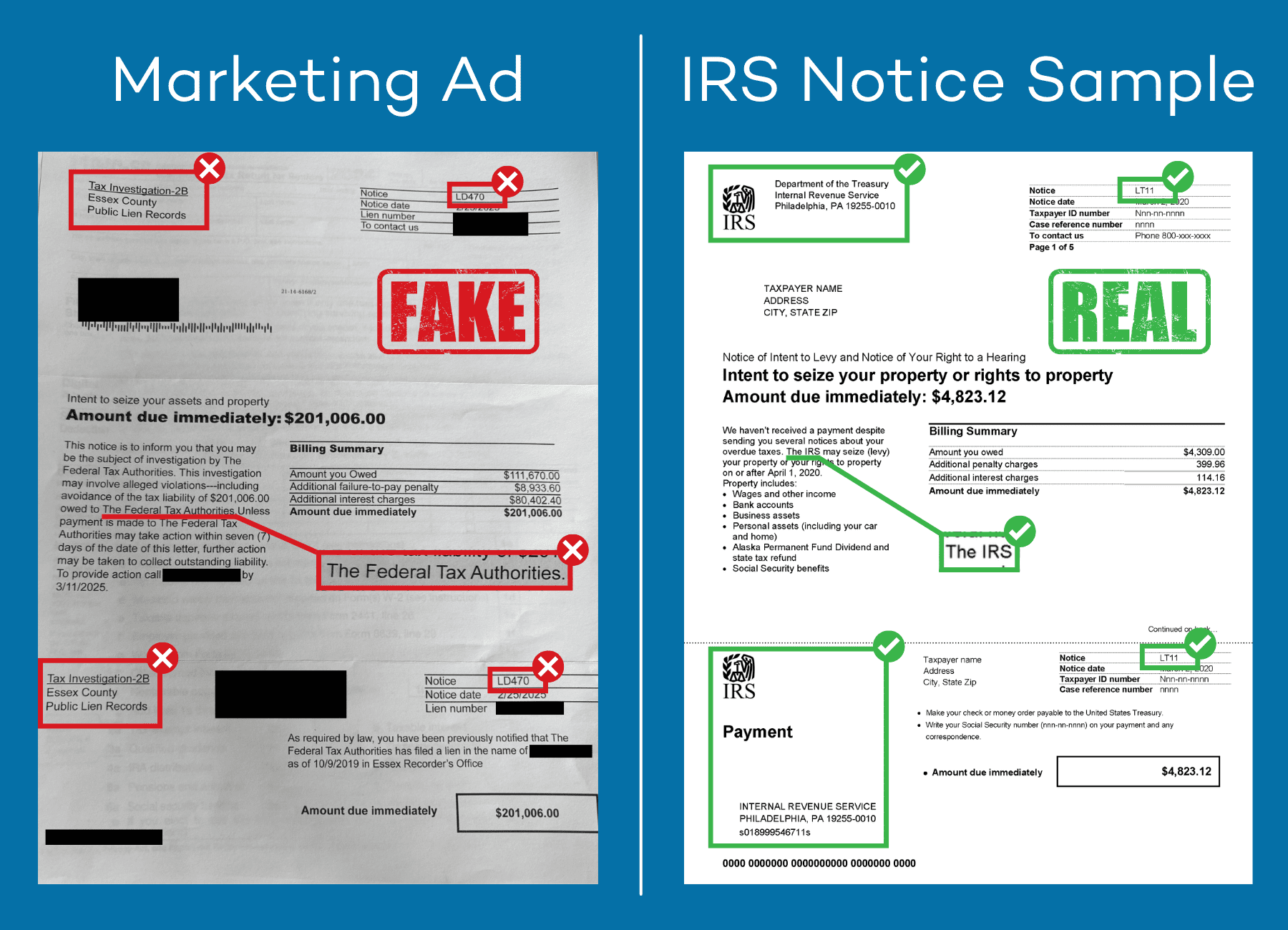
CP14: Balance due—you owe tax. CP501/CP502: Reminder notices for unpaid balance. CP504: Intent to levy—the IRS plans to seize assets. CP523: Intent to default your installment agreement. CP90/CP297: Final notice of intent to levy and notice of your right to a hearing. Letter 1058: Final notice before levy. Notice of Federal Tax Lien: A lien has been filed. Each notice has a number in the upper right corner. The notice will explain the issue and what you need to do.
How to Respond
Read the notice carefully. Note the deadline for response. Respond in writing if you disagree—include the notice number, your SSN, and an explanation. Send by certified mail. If you agree, follow the payment or action instructions. If you need more time, request an extension in writing before the deadline. Do not ignore notices—they escalate. The IRS assumes the notice is correct if you don't respond.
Your Rights
You have the right to know why the IRS is asking for payment. You have the right to appeal many IRS actions within 30 days. You have the right to representation. You have the right to be treated professionally. If you believe the notice is wrong, you can dispute it. Request a transcript to verify the IRS records. If you've already paid, provide proof of payment.
When to Get Help
Consider professional help if the notice involves a large amount, you don't understand it, you disagree and need to appeal, or you're facing collection action. Enrolled Agents and tax attorneys can represent you. The IRS must work with your authorized representative. Acting quickly can prevent liens, levies, and other enforcement actions.